


Warehouse automation delivers tangible benefits for South African businesses — higher throughput, lower costs, improved accuracy, and stronger data visibility.
With a rapidly growing market and proven ROI, automation has evolved from an experimental investment into a core strategic pillar.
As the market expands past US $300 million by 2030, early adopters will enjoy the advantage of efficiency, scalability, and resilience.
1. The Big Picture: Why Automation Matters Now
South African logistics has hit an inflection point. Between e-commerce expansion, rising labour costs, and the pressure to deliver faster with fewer errors, warehouse automation has shifted from luxury to necessity.
According to Grand View Research, South Africa’s warehouse automation market is expected to grow from US $133 million in 2024 to over US $321 million by 2030, expanding at roughly 17 % annually. (grandviewresearch.com)
For South African business owners, automation is no longer about replacing people — it’s about empowering your team with technology that multiplies output, accuracy, and reliability.
2. Efficiency: Do More with Less
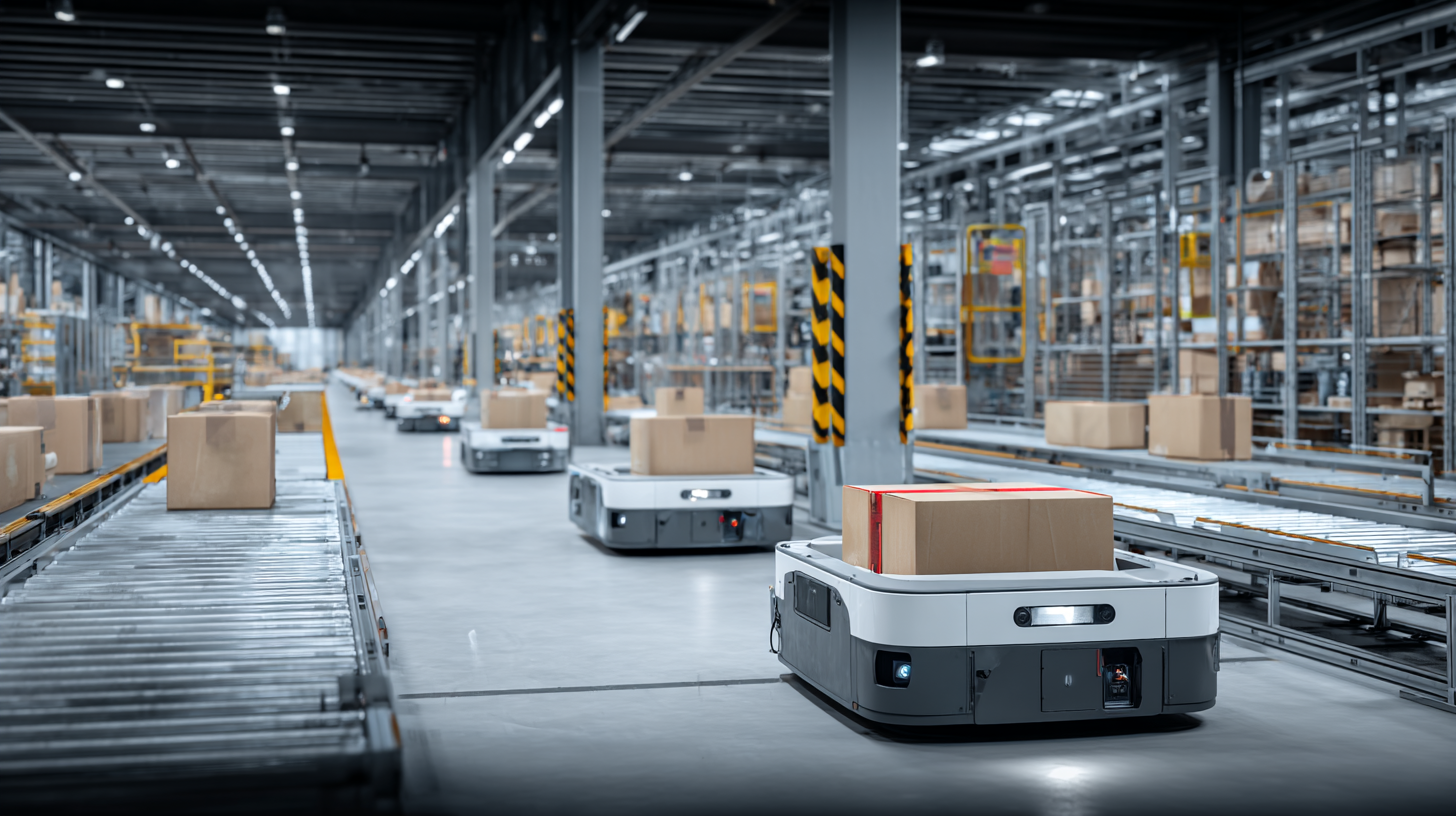
Manual operations are slow, error-prone, and expensive. Automated systems like conveyors, AMRs, and WMS software eliminate repetitive movement and optimise picking routes.
The result?
-
Up to 25 % faster throughput
-
Reduced idle time between stages
-
Lower mis-pick rates and returns
When throughput and accuracy improve, every other efficiency metric follows suit — from customer satisfaction to warehouse ROI.
3. Labour Cost Savings & Workforce Stability
South Africa’s labour market is tightening, and warehousing has some of the highest turnover rates in logistics. Automation lightens the repetitive load on workers while cutting down total labour hours required for core operations.
According to Ken Research, companies deploying partial automation can reduce operational costs by 15–30 % within the first two years. (kenresearch.com)
Automation doesn’t remove jobs — it changes them. Staff become technicians, data monitors, and quality controllers, leading to safer, more satisfying work.
4. Accuracy and Inventory Control
Accuracy isn’t optional in modern logistics. Automated scanning, weighing, and data capture systems drastically reduce human error.
-
Fewer returns and write-offs from mis-picks
-
Real-time stock tracking through IoT sensors and WMS integrations
-
Predictive restocking using data analytics
For sectors like FMCG, retail, and pharmaceuticals, these accuracy gains are mission-critical.
5. Space Optimisation
In a country where warehouse real estate costs continue to climb, efficient space use is a competitive advantage.
Automation allows vertical storage via AS/RS systems and tighter inventory placement, increasing storage density by 30–50 %.
That means smaller footprints, lower utility costs, and the ability to scale without moving premises.
6. Data Visibility & Decision Power
Automation turns your warehouse into a live data ecosystem.
Every robot, conveyor, and sensor is a data point feeding into dashboards — showing where time, energy, or capital is being wasted.
That data informs better forecasting, staffing, and maintenance planning.
Essentially, automation doesn’t just make your warehouse faster; it makes it smarter.
7. Scalability & Future-Proofing
One of automation’s most under-valued benefits is scalability.
As your business grows, modular systems can expand — adding robots, lanes, or software capacity without major disruption.
For 3PLs, e-commerce fulfilment centres, and manufacturers, this flexibility ensures they can handle peak demand without a full rebuild.
8. Sustainability and ESG Benefits
Automation supports sustainability targets through:
-
Reduced waste and damage
-
Energy-efficient movement and optimised lighting/power use
-
Paperless workflows via digital scanning and cloud inventory
In a regulatory climate that increasingly rewards energy-conscious operations, automation gives your ESG reporting a measurable boost.
9. The Allied Automation Advantage
At Allied Automation, we engineer solutions around South Africa’s specific logistics realities — infrastructure variability, power reliability, labour dynamics, and growth patterns.
Whether you’re implementing conveying systems, WMS software, or AS/RS solutions, our phased approach ensures that automation delivers real ROI from day one.
We don’t push machines; we build smarter ecosystems that grow with your business.
Ready to transform your warehouse operations?
Contact Allied Automation for a free consultation and tailored roadmap.
continue reading
Related Posts

In 2025, South Africa’s warehouse automation sector is entering a
South Africa’s logistics sector is evolving fast, and warehouse automation