
Product Quality Index
Energy Generation
Product Quality Index
Energy Generation
What Are AMRs and AGVs?
Autonomous Mobile Robots (AMRs) use onboard sensors, SLAM navigation and real-time mapping to move goods without fixed paths.
They dynamically avoid obstacles and adapt to busy warehouse environments.
Automated Guided Vehicles (AGVs) follow predetermined paths using magnetic tape, QR codes or laser guidance.
They are ideal for predictable, repetitive flows such as pallet transport.
Both systems automate material flow to reduce travel time and increase throughput.
AMR vs AGV: What’s the Difference?
| Feature | AMR | AGV |
|---|---|---|
| Navigation | Dynamic (SLAM, sensors, AI routing) | Fixed path (tape/QR/laser) |
| Flexibility | High | Medium |
| Setup time | Low | Medium |
| Best for | Picking, order movement, totes/cartons | Pallets, repetitive routes |
| Safety | Adaptive | Controlled zones |
| Scalability | Excellent | Good |
| Cost | Medium | Medium–Low |
Key Benefits of AMRs & AGVs
Where AMRs & AGVs Work Best

Move totes between zones, reduce picker travel time, accelerate order processing.

Feed lines, move components, return empties, connect workstations.

Automate store replenishment cartons and pallet movements.

Enable hygienic, trackable transport with audit-trace.

Move heavy components with predictable timing.

Handle fluctuating volumes without adding labour.
AMR Solutions We Offer
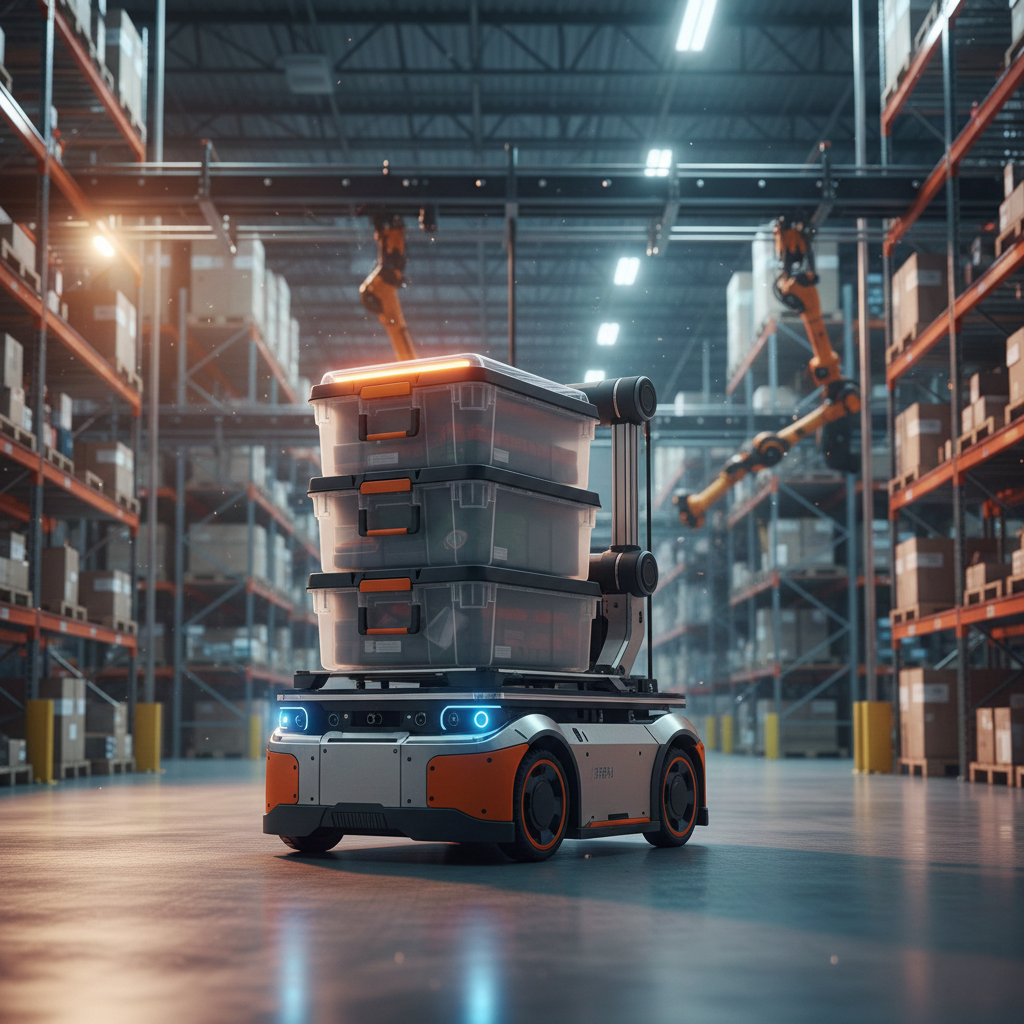
Tote AMRs
Small-footprint bots for fast order movement.

Carton/Box AMRs
Ideal for picking, packing and consolidation loops.

Pallet AMRs
Move heavy loads without forklifts.

Sorting AMRs
Perfect for batch-picked e-commerce workflows.

Mother–Daughter AMR Systems
High-throughput solution for large DCs.
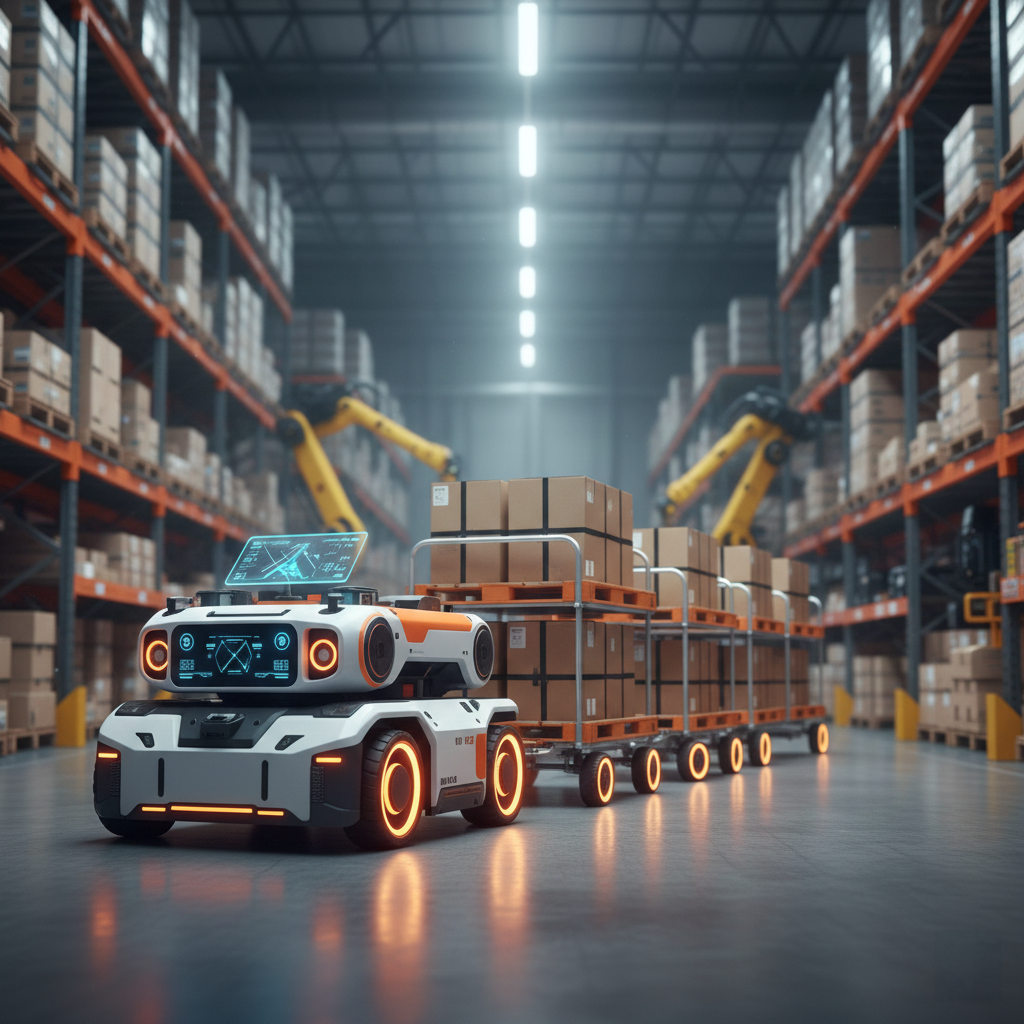
AMR Tugger Systems
Pull multiple carts for bulk movement.
AGV Solutions We Offer
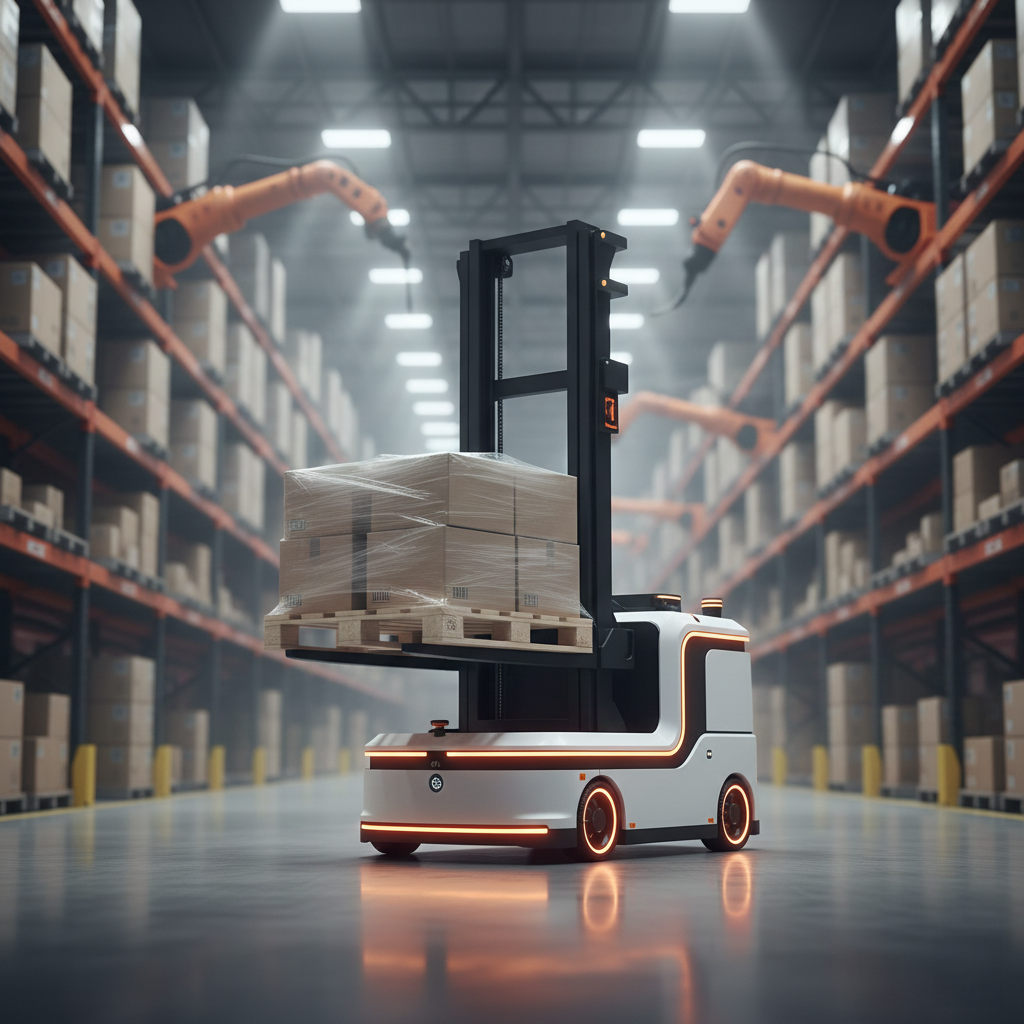
Fork AVGs
Automated pallet pick-up/drop-off.
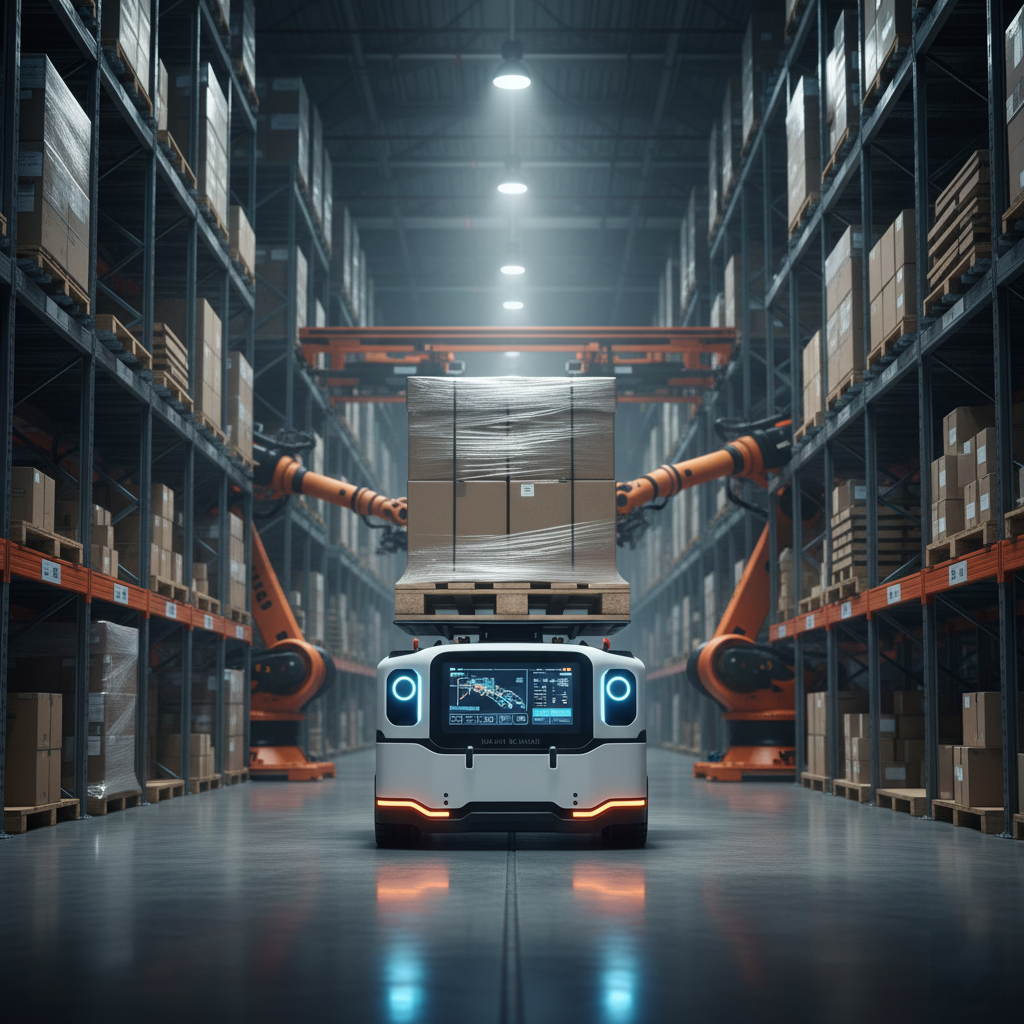
Unit Load AGVs
Move pallets, bins or trays.

Tugger AGVs
Pull multiple load carriers at once.

Conveyor-Top AGVs
Transfer goods between automation stations.
How AMRs Navigate & Operate
AMRs use LiDAR, cameras, depth sensors and onboard processing to map the warehouse and plan safe routes. They detect obstacles in real time, adjust speed automatically, and communicate with fleet management software to coordinate tasks. They connect to WMS/ERP systems for pick routing, batching, order movement and replenishment workflows.
Integrations & Software Ecosystem
Typical AMR Technical Specs
| Feature | Range |
|---|---|
| Payload | 30kg – 1500kg |
| Speed | 1–2 m/s |
| Battery | Lithium Li-ion |
| Runtime | 8–12 hrs |
| Charging | Auto-dock / opportunity charging |
| Sensors | LiDAR, ToF camera, ultrasonic |
| Connectivity | Wi-Fi, 5G (optional) |
AMR & AGV FAQ
Product Quality Index
Energy Generation